2017 Ford Escape Oil Type –View Oil Specs
For the 2017 Ford Escape, the recommended oil type is 5W-30 full synthetic motor oil. This ensures optimal engine performance and protection. Always check your owner’s manual for the exact specifications based on your driving conditions and engine variant.
In this guide, you’ll learn exactly which oil suits your 2017 Ford Escape best and how it benefits your engine.
Recommended Oil Type for 2017 Ford Escape
For the 2017 Ford Escape, the recommended oil type is 5W-20 synthetic motor oil. This ensures optimal engine performance, fuel efficiency, and protection. Always follow the manufacturer’s guidelines for the best results and regular oil changes.
1.5L EcoBoost Engine
For the 1.5L EcoBoost engine in the 2017 Ford Escape, use 5W-30 full synthetic oil. This oil type ensures optimal engine performance, reduces wear, and improves fuel efficiency. Always check the owner’s manual for any specific recommendations.
2.0L EcoBoost Engine
The 2.0L EcoBoost engine of the 2017 Ford Escape requires 5W-30 full synthetic oil. It helps protect the engine, maintain smooth performance, and improve fuel economy. Regular oil changes are crucial for long-term engine health.
2.5L iVCT Engine
For the 2.5L iVCT engine in the 2017 Ford Escape, 5W-20 conventional or synthetic oil is recommended. This oil ensures proper lubrication, reduces engine friction, and keeps the engine running smoothly. Always follow the maintenance schedule for best results.
Also Read: Ford Fusion 2020 Oil Type
Why choosing the right oil type matters the most
Choosing the right oil type is essential for your vehicle’s health. It helps protect the engine, improve fuel efficiency, and ensure smooth performance. The right oil reduces wear, prevents buildup, and keeps your engine running more efficiently for longer.
Impact on Engine Performance
Choosing the right oil type is key to engine health. It helps reduce friction, ensuring smooth operation and avoiding wear and tear. This keeps your engine running efficiently, enhancing its overall performance and lifespan.
Fuel Efficiency Benefits
Using the right oil improves fuel efficiency. It reduces engine friction, helping the engine run smoothly and resulting in less fuel waste. This not only saves money but also reduces the environmental impact.
Long-Term Engine Protection
The right oil prevents engine damage over time. It acts as a protective layer, reducing the buildup of harmful deposits and keeping engine parts clean, thereby extending engine life and reducing repairs.
Synthetic vs Conventional Oil – Which is Better?
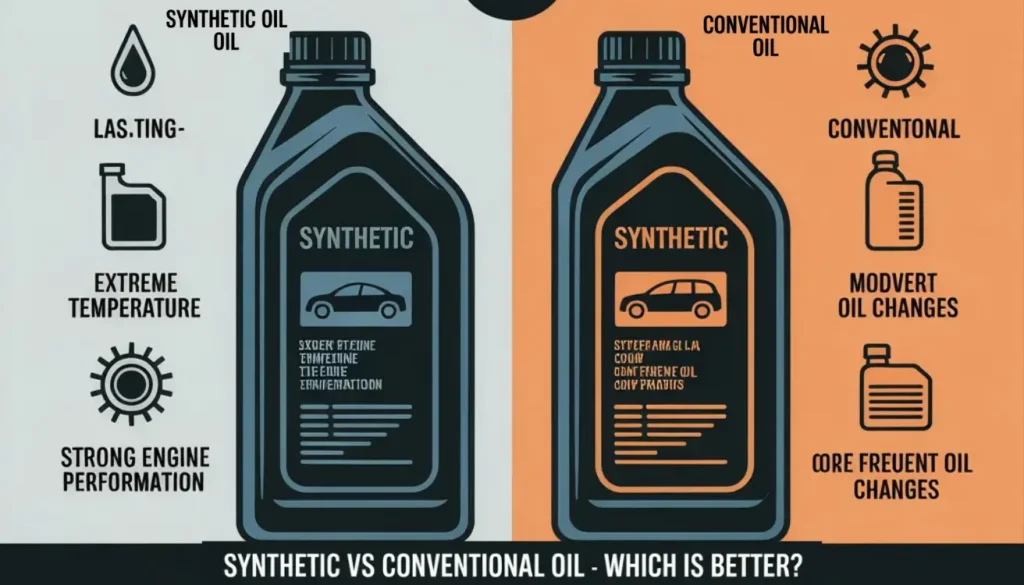
Synthetic oil lasts longer, performs better in extreme temperatures, and offers better engine protection than conventional oil. Conventional oil is cheaper but needs more frequent changes. For modern engines, synthetic oil is usually the better choice for optimal performance.
Advantages of Synthetic Oil
Synthetic oil offers better performance, lasting longer, and handling extreme temperatures better than conventional oil. It improves fuel efficiency, reduces engine wear, and keeps the engine cleaner, making it ideal for high-performance or modern engines.
Also Read: What’s better Ford or Chevy – Find Out Now
When to Use Conventional Oil
Conventional oil is cheaper and works well for older engines or low-mileage cars. It’s a good option for those who want a reliable, cost-effective solution, though it may require more frequent changes than synthetic oil.
Why Full Synthetic Oil Is Recommended
Full synthetic oil is recommended because it:
- Provides superior lubrication
- Reduces friction and engine wear
- Works well in extreme temperatures
- Extends engine life and improves fuel efficiency
- Prevents deposits from forming
Oil Capacity Specifications
- The amount of oil needed for your engine is specified in the owner’s manual.
- Incorrect oil levels (too much or too little) can harm your engine.
Oil Capacity by Engine Variant
- Each engine type may require a different oil capacity.
- Always follow the specific oil amount listed in the owner’s manual to avoid engine issues.
How Often Should You Change the Oil?
- Most vehicles require oil changes every 5,000 to 7,500 miles.
- Check your manual for specific recommendations based on driving conditions.
Ford’s Official Recommendations
- Ford recommends changing oil every 7,500 miles with synthetic oil, or every 5,000 miles with conventional oil.
Signs Your Oil Needs Changing
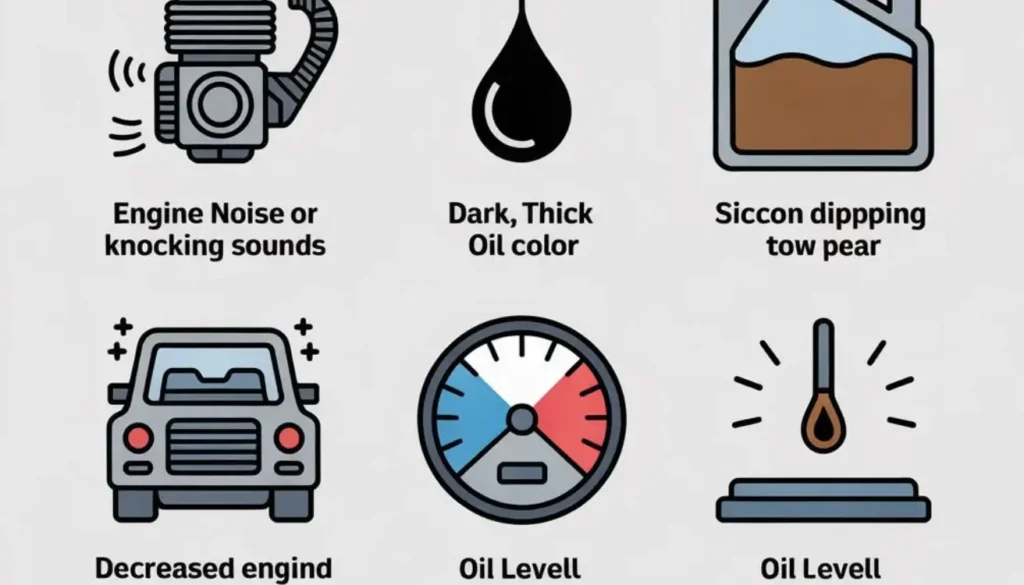
- Engine noise or knocking sounds
- Dark, thick oil color
- Decreased engine performance
- Oil level is dropping quickly.
Step-by-Step Guide to Changing Oil in a 2017 Ford Escape
- Lift the vehicle and drain the old oil.
- Replace the oil filter.
- Refill the engine with the recommended oil.
Tools and Materials Needed
- Wrench set, oil filter wrench, oil pan, funnel, new oil and filter, and gloves.
Draining and Replacing the Oil
- Lift the car, drain the oil into a pan, and replace the drain plug before adding fresh oil.
Installing a New Oil Filter
- Remove the old filter and replace it with a new one, tightening it properly but not too much.
Refilling with the Correct Oil
- Refill with the recommended oil type, checking the oil level as you go.
Common Mistakes to Avoid During Oil Changes
- Using the wrong oil type
- Overfilling the engine
- Forgetting to replace the oil filter
- Improper disposal of used oil
Cost of Oil Change – DIY vs Professional Service
- DIY oil change: $30-$50
- Professional oil change: $50-$100, including labor.
Effect of Weather on Oil Choice
- Climate affects the type of oil to use in your vehicle.
Hot Climate Considerations
- Thicker oils (e.g., 10W-30) are better for hot climates to prevent overheating.
Cold Climate Considerations
- Thinner oils (e.g., 5W-30) are better for cold climates, helping with cold starts.
How Oil Impacts Vehicle Warranty
Using the wrong oil or skipping oil changes can void your vehicle’s warranty. Manufacturers set specific oil requirements to ensure engine protection. If you don’t follow these guidelines, it may lead to engine damage, and your warranty might not cover repairs.
Also Read: What is Auto Start on a Ford Fusion – Unlock Efficiency
FAQ’s
1. What oil does a 2017 Ford Escape 2.5L need?
Yes, the 2017 Ford Escape 2.5L engine needs 5W-20 conventional or synthetic motor oil for best performance and protection.
2. How often should I change the oil in my Ford Escape?
Yes, you should change the oil in your Ford Escape every 7,500 miles with synthetic oil or 5,000 miles with conventional oil, depending on driving conditions.
3. Can I use 5W-30 instead of 5W-20 in my Ford Escape?
No, you should only use 5W-30 oil if your engine type explicitly recommends it, like the EcoBoost versions — otherwise, stick to 5W-20 for proper performance and protection.
3. Can I delay oil changes beyond the suggested mileage?
No, delaying oil changes can lead to sludge buildup, reduced lubrication, and costly engine repairs. Timely oil changes ensure smooth performance and a longer engine life.
5. Can I change the oil in my Ford Escape myself?
Yes, you can perform a DIY oil change if you have the proper tools and follow the steps carefully. However, if you’re unsure, it’s best to get it done professionally.
.
Conclusion:
In conclusion, using the right 2017 Ford Escape oil type is essential for keeping your SUV’s engine healthy, efficient, and long-lasting. Whether you drive the 1.5L, 2.0L, or 2.5L engine, always follow Ford’s recommendations for oil type and change intervals. Regular maintenance and the correct oil ensure smooth performance, better mileage, and long-term protection for your vehicle.